Fried Egg Recipe (Crispy Edges, Perfect Yolk)
Tired of fried eggs that stick to the pan or overcook before you know it? This fried egg recipe is the perfect solution. It’s easy to make, quick to prepare, and uses simple ingredients you probably already have at home. In this recipe, you’ll learn exactly how to make it, plus expert tips, variations, storage advice, and serving suggestions for the best results every time.
Quick Recipe Overview
- Prep Time: 2 minutes
- Cook Time: 5 minutes
- Total Time: 7 minutes
- Servings: 1
- Difficulty: Easy
Why You’ll Love This Recipe
This classic technique proves that a perfectly cooked fried egg is one of the simplest, most satisfying things you can make.
- Ready in under 10 minutes with just an egg and a little oil.
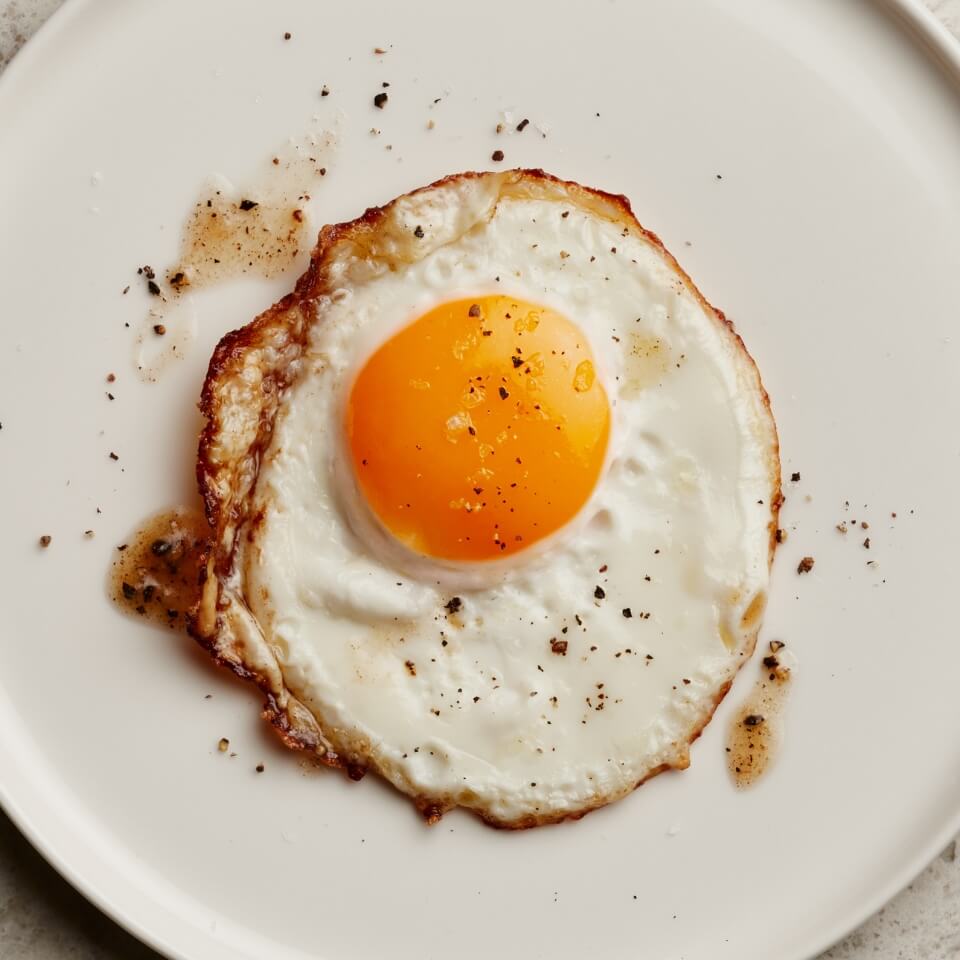
- Crispy, golden edges paired with a soft, runny or firm yolk.
- Naturally low-carb, gluten-free, and fits into nearly any diet.
- No special equipment required, just a skillet and a spatula.
- Endlessly customizable with different cooking styles and toppings.
- Perfect base for sandwiches, rice bowls, or a simple plate.
- A basic skill that instantly upgrades everyday breakfasts and meals.
Ingredients
- 1 large egg
- 1 teaspoon oil or butter
- Salt and black pepper, to taste
- Optional toppings like hot sauce, cheese, or fresh herbs
Fresh eggs hold their shape better in the pan, giving you neater, more attractive fried eggs. Oil or butter helps create those signature crispy, golden edges while preventing sticking. A properly heated pan is essential, since too cool a surface leads to sticking, while too hot can burn the edges quickly. Optional toppings like fresh herbs, hot sauce, or a sprinkle of cheese let you customize the flavor to match whatever dish you’re serving the egg alongside.
How to Make Fried Egg
This simple stovetop method takes just a few minutes, with the biggest key being proper pan temperature and timing.
- Heat the pan. Heat oil or butter in a nonstick skillet over medium heat until shimmering.
- Crack the egg. Crack the egg into a small bowl first, then gently slide it into the skillet.
- Cook the whites. Let the egg cook undisturbed for 2–3 minutes, until the whites are mostly set.
- Choose your style. For sunny-side up, cover the pan briefly to finish the top. For over-easy, gently flip and cook 30 seconds more.
- Season the egg. Sprinkle with salt and pepper as it finishes cooking.
- Check doneness. The whites should be fully set, while the yolk stays as runny or firm as you prefer.
- Remove and serve. Use a spatula to gently lift the egg from the pan and serve immediately.
Expert Tips
- Use a nonstick skillet to prevent sticking and make flipping or serving easier.
- Crack the egg into a bowl first for more control when adding it to the pan.
- Keep the heat at medium, since high heat can burn the edges too quickly.
- Cover the pan briefly for sunny-side up eggs to help the top whites set.
- Flip gently for over-easy eggs to avoid breaking the yolk.
- Season the egg as it cooks for the most even flavor throughout.
- Use fresh eggs for the neatest, most attractive final shape.
- Let the pan properly preheat before adding the egg to prevent sticking.
- Don’t overcrowd the pan if cooking multiple eggs at once.
- Practice different styles, like basted or over-hard, to find your personal favorite.
Easy Variations
- High Protein: Serve two fried eggs instead of one for a heartier meal.
- Healthy: Use a light spray of oil instead of butter for fewer added calories.
- Spicy: Top with hot sauce, chili flakes, or a drizzle of chili crisp.
- Vegetarian: This recipe is naturally vegetarian as written, with no substitutions needed.
- Family-Friendly: Cook eggs fully instead of runny for a firmer, kid-friendly texture.
What to Serve With It
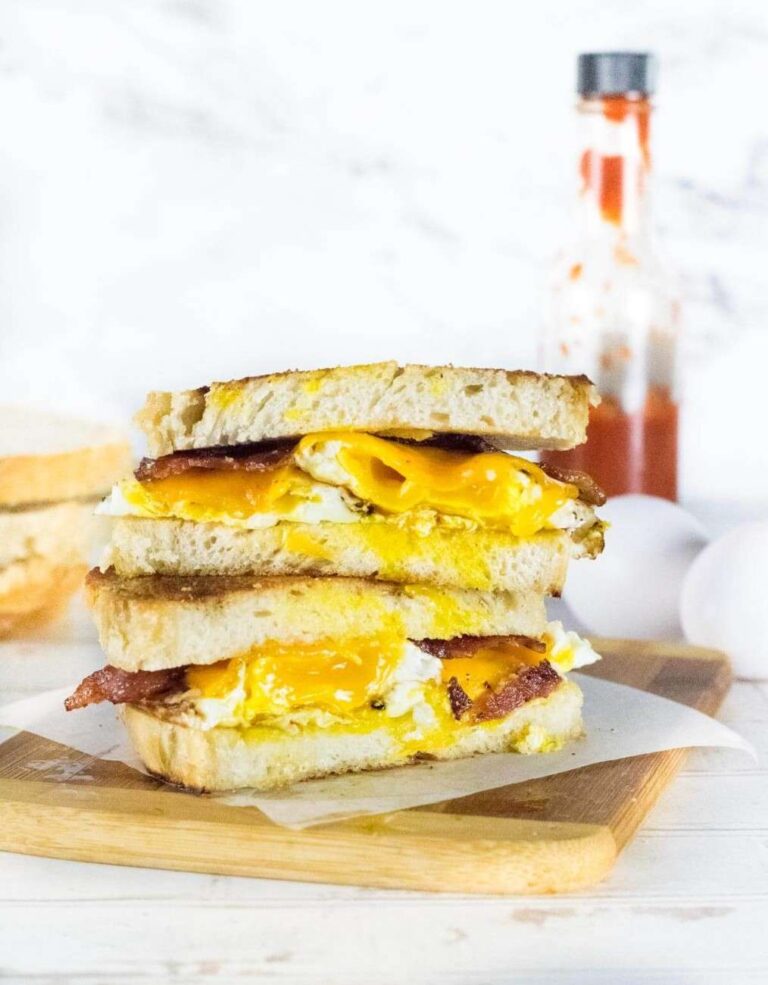
Fried eggs pair beautifully with toast, avocado, or crispy hash browns for a classic breakfast. Serve over rice or noodles for a quick, satisfying lunch or dinner. They also make a wonderful topping for burgers, salads, or grain bowls for extra richness. A simple side of fresh fruit or a slice of buttered toast rounds out a quick, satisfying breakfast plate.
Storage and Reheating
Fried eggs are best enjoyed fresh, since the texture changes significantly once cooled and reheated. If needed, store in an airtight container in the refrigerator for up to 1 day. Reheat gently in a skillet over low heat for about a minute, though the yolk will firm up more than when freshly cooked. For the best texture and flavor, fried eggs are always better made fresh right before serving rather than reheated from the fridge.
Common Mistakes to Avoid
A few small missteps can turn a perfectly fried egg into a messy, disappointing result, so keep these in mind.
- Using high heat can burn the edges before the yolk finishes cooking.
- Skipping preheating the pan often leads to the egg sticking stubbornly.
- Overcooking the yolk removes the classic, satisfying runniness many people love.
- Cracking the egg directly into the pan increases the chance of a messy result.
- Overcrowding the skillet leads to uneven cooking and eggs running together.
FAQs
How do I get crispy edges on a fried egg?
Use enough oil and medium-high heat, letting the edges bubble and turn golden brown.
What’s the difference between sunny-side up and over-easy?
Sunny-side up isn’t flipped, while over-easy is gently flipped for a few extra seconds.
Can I make fried eggs without oil or butter?
A nonstick pan with a light spray works, though fat adds flavor and prevents sticking.
How long does it take to cook a fried egg?
Most fried eggs take about 3–5 minutes total, depending on your preferred yolk doneness.
Can I cook multiple fried eggs at once?
Yes, as long as the pan is large enough to avoid overcrowding the eggs.
Why did my fried egg stick to the pan?
This usually happens from insufficient oil, low heat, or a pan that wasn’t properly preheated.
What’s the best pan for frying an egg?
A well-seasoned nonstick or cast iron skillet works best, preventing sticking and helping with even cooking.
Can I make a fried egg in the microwave?
It’s possible, but the texture and edges won’t match the classic stovetop method most people prefer.
Conclusion
This fried egg recipe brings a simple, essential cooking skill straight to your own kitchen in just minutes. It’s the kind of basic technique that upgrades countless meals throughout the week. Give it a try tomorrow morning, and enjoy a perfectly fried egg every single time.