Poached Egg Recipe (Perfect Every Time)
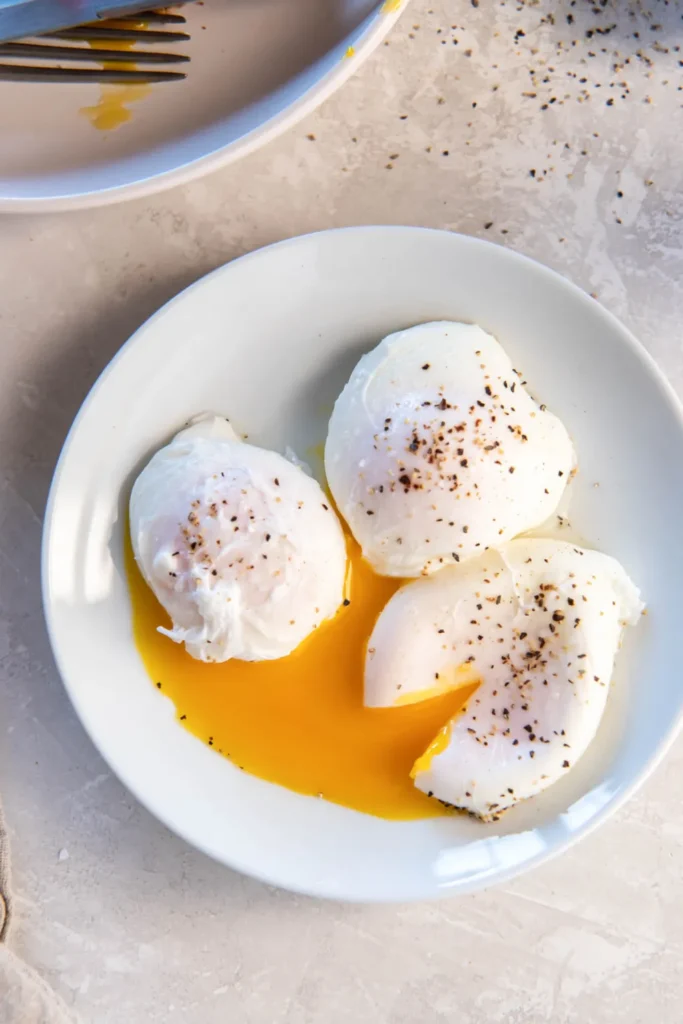
Tired of poached eggs that turn out stringy or fall apart in the water? This poached egg recipe is the perfect solution. It’s easy to make, wonderfully tender, and uses simple ingredients you probably already have at home. In this recipe, you’ll learn exactly how to make it, plus expert tips, variations, storage advice, and serving suggestions for the best results every time.
Quick Recipe Overview
- Prep Time: 5 minutes
- Cook Time: 4 minutes
- Total Time: 9 minutes
- Servings: 1 (easily multiplied)
- Difficulty: Easy
Why You’ll Love This Recipe
This classic technique takes the guesswork out of poaching, delivering restaurant-quality eggs without any fancy equipment.
- Produces neat, tender poached eggs with runny yolks every single time.
- Nearly foolproof once you learn a few simple tricks.
- Naturally low-carb, gluten-free, and fits into nearly any diet.
- Ready in under 10 minutes with minimal hands-on effort required.
- Elegant enough for brunch, yet simple enough for a quick breakfast.
- No special equipment required, just a pot and a slotted spoon.
- Works beautifully on toast, salads, or grain bowls alike.
Ingredients
- 1 large egg, as fresh as possible
- 4 cups water
- 1 tablespoon white vinegar
- Pinch of salt
Fresh eggs are essential here, since older eggs have thinner whites that spread out and create messy, stringy results. White vinegar helps the egg whites set faster and hold together neatly in the water. A gentle simmer, rather than a rolling boil, keeps the egg tender instead of tough or rubbery. A pinch of salt in the poaching water also seasons the egg lightly as it cooks, adding just a touch of flavor throughout.
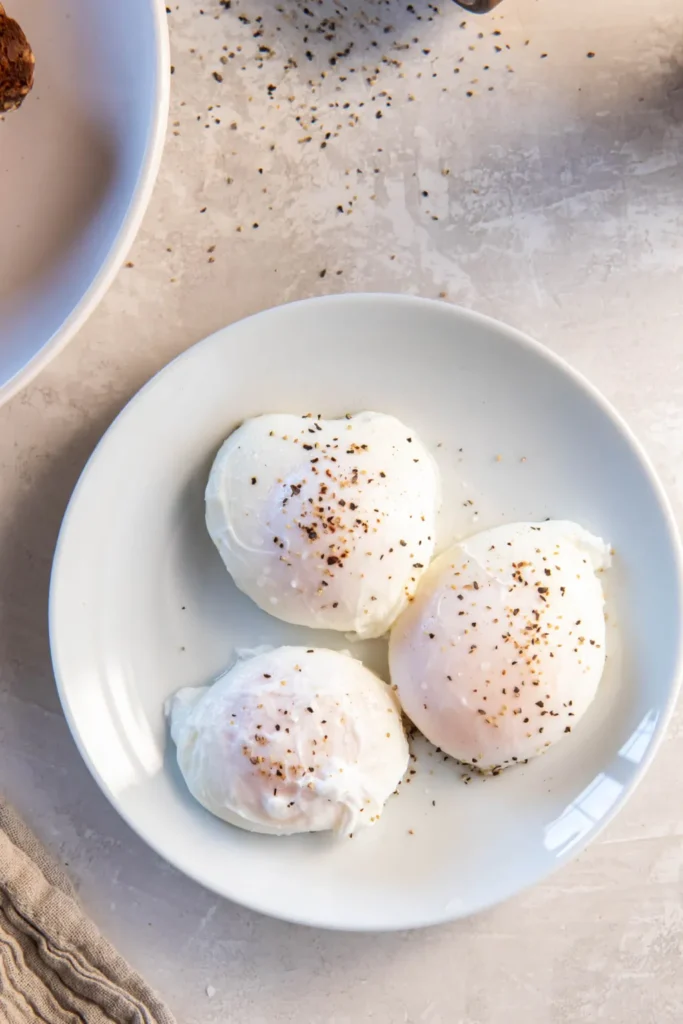
How to Make Poached Egg
This gentle cooking method relies on a few simple tricks that make all the difference between success and a messy result.
- Crack the egg. Crack the egg into a small bowl or ramekin, being careful to keep the yolk intact.
- Heat the water. Fill a medium saucepan with water and add the vinegar and a pinch of salt. Bring to a gentle simmer over medium heat.
- Create a gentle whirlpool. Stir the water in a circular motion to create a gentle whirlpool, which helps the egg white wrap around the yolk.
- Slide in the egg. Carefully slide the egg into the center of the whirlpool.
- Poach gently. Let the egg cook undisturbed for 3–4 minutes, until the whites are set but the yolk remains runny.
- Remove with a spoon. Use a slotted spoon to gently lift the egg out of the water.
- Drain and serve. Let excess water drain off on a paper towel, then season with salt and pepper and serve immediately.
Expert Tips
Follow these simple tips to get restaurant-quality poached eggs at home every single time you try.
- Use the freshest eggs possible for cleaner, tighter poached eggs with less spreading.
- Crack the egg into a bowl first for more control when sliding it into the water.
- Keep the water at a gentle simmer, never a rolling boil, to prevent toughness.
- Add vinegar to the water to help the egg whites set faster and hold shape.
- The whirlpool method helps wrap the whites neatly around the yolk as it cooks.
- Poach eggs one at a time for the most consistent, controlled results.
- Use a timer, since even 30 extra seconds can overcook a delicate poached egg.
- Pat poached eggs dry with a paper towel before serving to avoid a watery plate.
- Trim any wispy, stray edges of egg white with kitchen scissors for a tidier look.
- Practice makes perfect, so don’t be discouraged if your first few attempts look messy.
Easy Variations
- High Protein: Serve two poached eggs instead of one for a heartier breakfast.
- Healthy: Serve over sautéed greens instead of toast for a lower-carb option.
- Spicy: Top with hot sauce, chili flakes, or a drizzle of chili crisp.
- Vegetarian: This recipe is naturally vegetarian as written, with no substitutions needed.
- Family-Friendly: Serve alongside toast soldiers for easy, fun dipping for kids.
What to Serve With It
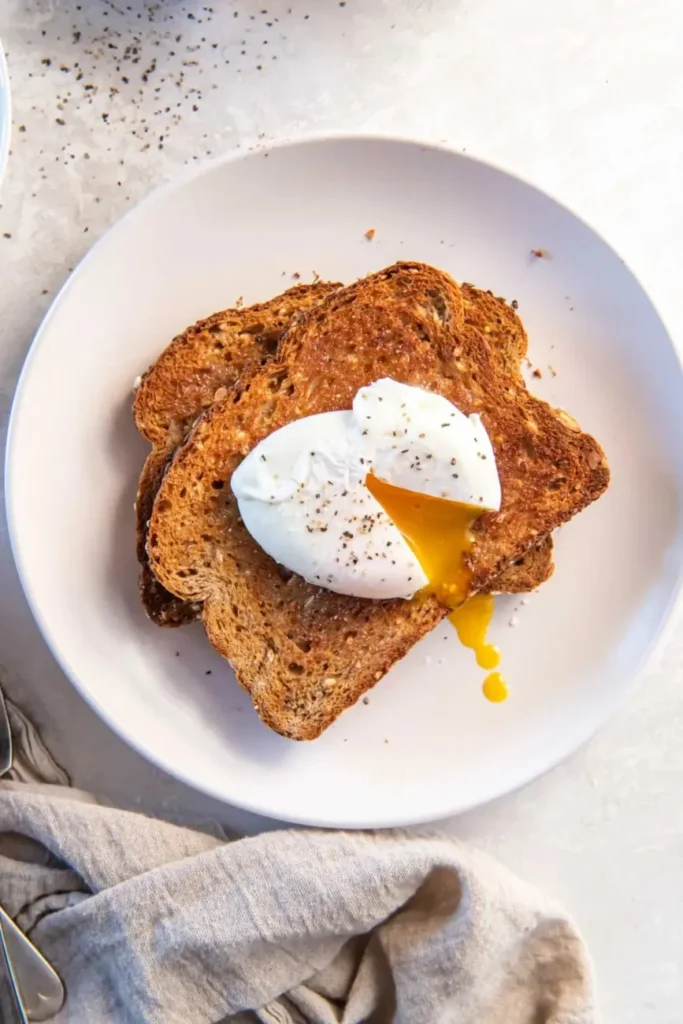
Poached eggs pair beautifully with buttered toast, avocado, or sautéed spinach for a simple breakfast. Serve over a bed of greens or roasted vegetables for a light, protein-packed lunch. They also make a classic topping for eggs Benedict or a hearty grain bowl. For a quick, satisfying lunch, place a poached egg over leftover rice or roasted vegetables for extra richness.
Storage and Reheating
Poached eggs are best enjoyed fresh, since the texture changes once cooled and reheated. If needed, store poached eggs in ice water in the refrigerator for up to 2 days. To reheat, place the egg in a bowl of hot water for about a minute until warmed through, then drain and serve.
Common Mistakes to Avoid
A few small missteps can turn a perfectly poached egg into a messy disappointment, so keep these in mind.
- Using old eggs results in messy, spread-out poached eggs instead of neat ones.
- Boiling the water too hard can toughen the egg and cause it to break apart.
- Skipping the vinegar makes it harder for the egg whites to set properly.
- Cracking the egg directly into the pot increases the chance of a messy result.
- Overcooking the egg leads to a fully hardened yolk instead of soft and runny.
FAQs
Why do you add vinegar to poaching water?
Vinegar helps the egg whites set faster and hold together in a much neater, tighter shape.
How long does it take to poach an egg?
Most eggs are perfectly poached in about 3 to 4 minutes total, depending on your desired level of yolk doneness.
Can I poach eggs without vinegar?
Yes, but the egg whites may spread out more and look less neat in the water.
Can I poach multiple eggs at once?
Yes, but it’s generally easier to control the results by poaching just one or two eggs at a time.
Why did my poached egg fall apart?
This usually happens from using an older egg with thin whites, or water that was boiling too hard and vigorously.
Can I make poached eggs ahead of time?
Yes, store them in ice water in the fridge and reheat gently before serving.
What’s the best pan to use for poaching eggs?
A medium, deep saucepan works best, giving the egg enough room to gently float and cook evenly without touching the bottom or sides too much.
Can I use a poaching cup or silicone mold instead?
Yes, these handy tools make the whole process considerably easier, though the classic whirlpool method still gives the most traditional, authentic texture and shape.
Conclusion
This poached egg recipe brings a simple, elegant breakfast skill straight to your own kitchen with a nearly foolproof, beginner-friendly method. It’s a small technique that instantly elevates any breakfast, brunch, or lunch dish. Give it a try tomorrow morning, and enjoy perfectly poached eggs every single time.