Egg Custard Recipe Easy (Classic Homemade Dessert)
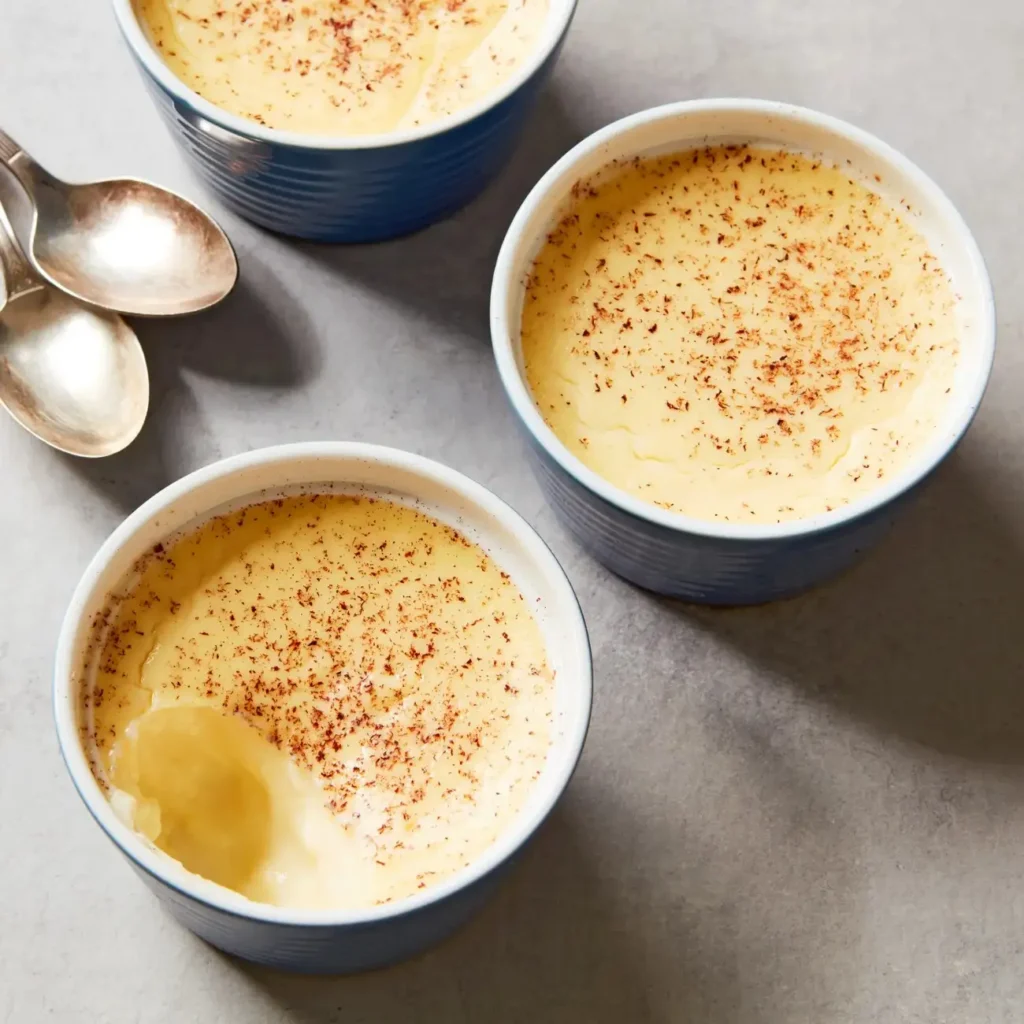
Craving a creamy, old-fashioned dessert without a long list of complicated steps? This egg custard recipe easy method is the perfect solution. It’s simple to make, wonderfully creamy, and uses basic pantry ingredients you probably already have at home. In this recipe, you’ll learn exactly how to make it, plus expert tips, variations, storage advice, and serving suggestions for the best results every time.
Quick Recipe Overview
- Prep Time: 10 minutes
- Cook Time: 45 minutes
- Total Time: 55 minutes (plus chilling time)
- Servings: 6
- Difficulty: Easy
Why You’ll Love This Recipe
This easy egg custard recipe proves that a truly classic dessert doesn’t need fancy techniques or hard-to-find ingredients.
- Tastes just like grandma’s classic custard, made with simple ingredients.
- Comes together with just a handful of pantry staples.
- Naturally gluten-free and easy to adapt for different diets.
- Perfect make-ahead dessert for holidays or weeknight treats.
- Silky, smooth texture without needing any special equipment.
- Budget-friendly compared to store-bought puddings or bakery desserts.
- Endlessly customizable with different spices or flavor add-ins.
Ingredients
- 4 large eggs
- 1/3 cup granulated sugar
- 2 1/2 cups whole milk
- 1 teaspoon vanilla extract
- 1/4 teaspoon salt
- 1/4 teaspoon ground nutmeg, plus more for garnish
Whole milk creates the classic rich, creamy texture custard is known for, though you can use a milk-cream blend for an even silkier result. Eggs are the true backbone of this recipe, providing structure as they gently set during baking. Nutmeg adds that warm, familiar flavor found in traditional bakery-style custards, while vanilla rounds out the sweetness beautifully. A pinch of salt might seem small, but it sharpens all the other flavors and keeps the custard from tasting flat or one-dimensional.
How to Make Egg Custard
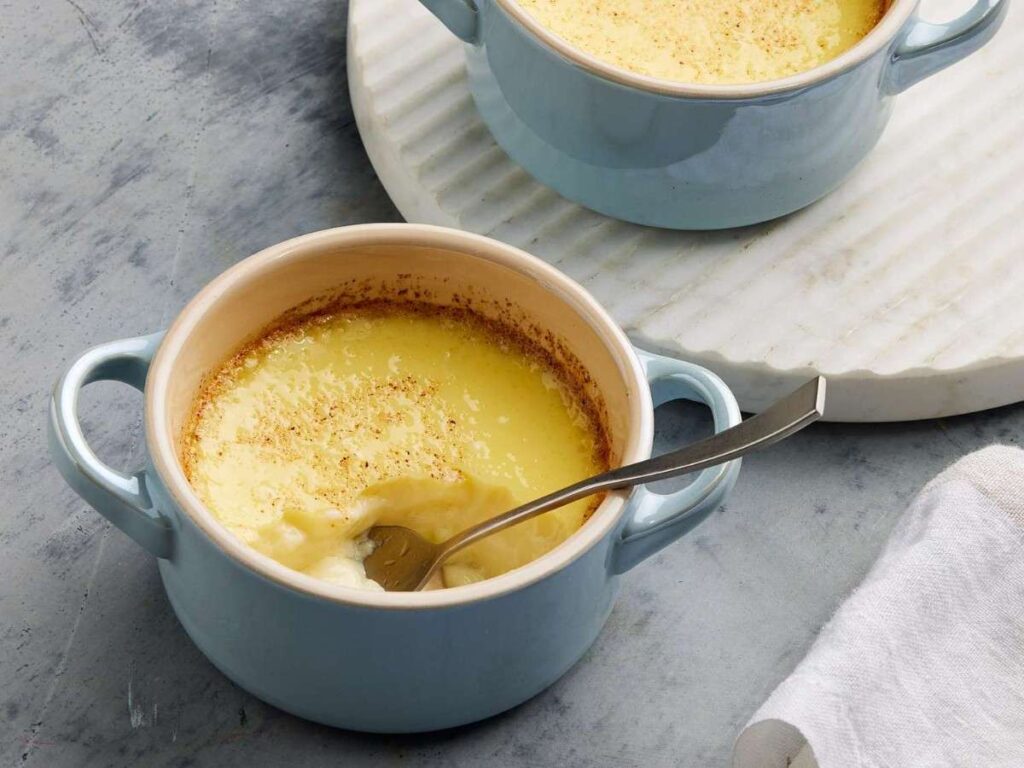
This easy method uses a simple water bath technique that guarantees a smooth, silky texture every single time.
- Preheat the oven. Set your oven to 325°F and place six small ramekins or custard cups inside a large baking dish.
- Warm the milk. In a small saucepan, heat the milk over medium heat just until steaming, but not boiling. Remove from heat.
- Whisk the eggs. In a mixing bowl, whisk together the eggs, sugar, vanilla, and salt until well combined.
- Temper the eggs. Slowly pour the warm milk into the egg mixture while whisking constantly, so the eggs don’t scramble.
- Strain the mixture. Pour the custard through a fine mesh strainer for the smoothest possible texture.
- Fill the ramekins. Divide the custard mixture evenly among the ramekins, then sprinkle a little nutmeg on top of each.
- Bake in a water bath. Carefully pour hot water into the baking dish until it reaches halfway up the sides of the ramekins. Bake for 40–45 minutes, or until the centers are just barely set with a slight jiggle.
- Cool and chill. Remove from the water bath and let cool to room temperature, then refrigerate for at least 2 hours before serving.
Expert Tips
- Use a water bath to insulate the custard, preventing curdling or a rubbery texture.
- Don’t skip straining, since it removes any small egg bits for a silky finish.
- Watch closely near the end of baking, since custard can overcook quickly.
- A slight jiggle in the center means it’s done; it will firm up as it chills.
- Use room-temperature eggs so they blend more smoothly into the milk mixture.
- Warm the milk gently, since boiling milk can cause the eggs to curdle.
- Chill custard fully before serving for the best flavor and firmest texture.
- Cover ramekins loosely with foil if the tops start browning too quickly.
- Use whole milk rather than skim for the richest, creamiest results.
- Double the recipe for gatherings, since custard is always a crowd favorite.
Easy Variations
- High Protein: Stir in a scoop of unflavored protein powder along with the sugar and eggs.
- Healthy: Use a natural sweetener alternative and low-fat milk for a lighter version.
- Spicy: Add a pinch of cinnamon or cardamom alongside the nutmeg for warmth.
- Vegetarian: This recipe is naturally vegetarian as written, with no substitutions needed.
- Family-Friendly: Reduce the nutmeg slightly and add a touch more vanilla for kids.
What to Serve With It
Egg custard pairs beautifully with fresh berries, a light dusting of cinnamon, or a small drizzle of caramel sauce. Serve alongside shortbread cookies or a light biscotti for added crunch and contrast. A cup of coffee or tea makes for a cozy, comforting pairing after dinner. For a more festive presentation, top each serving with a dollop of whipped cream just before serving guests.
Storage and Reheating
Store leftover custard covered in the refrigerator for up to 4 days. This dessert is meant to be served cold or at room temperature, so no reheating is necessary. Egg custard does not freeze well, since the texture becomes watery and grainy once thawed, so it’s best enjoyed fresh within a few days of making it.
Common Mistakes to Avoid
A few small missteps can turn a perfectly silky custard into something disappointing, so keep these in mind.
- Skipping the water bath often leads to a rubbery, overcooked texture.
- Boiling the milk can cause the eggs to curdle when combined together.
- Overbaking the custard results in a firm, less silky final texture.
- Skipping the straining step leaves small egg bits in the finished custard.
- Serving custard too warm prevents it from reaching its ideal, firm set texture.
FAQs
Why is my custard watery instead of set?
This usually means it needs more baking time or wasn’t chilled long enough before serving.
Can I make egg custard without a water bath?
It’s not recommended, since direct heat often causes the eggs to curdle or overcook.
How do I know when custard is fully baked?
The edges should be set while the center still has a slight jiggle when gently shaken.
Can I use a sugar substitute in this recipe?
Yes, most granulated sugar substitutes work well in equal amounts for this particular recipe.
How long does homemade custard last in the fridge?
Stored properly in a sealed container, it stays fresh for up to 4 days.
Can I flavor custard with something other than vanilla?
Yes, almond extract, lemon zest, or a touch of maple syrup all work beautifully.
Can I make this recipe fully dairy-free?
Yes, full-fat coconut milk or unsweetened oat milk can replace whole milk with good results.
Why did my custard have air bubbles on top?
This usually happens from whisking the mixture too vigorously; carefully straining it helps remove most of the bubbles.
Conclusion
This egg custard recipe easy method brings a classic, comforting dessert straight to your own kitchen with simple ingredients and easy steps. It’s the kind of treat that feels nostalgic yet completely doable any night of the week, even for beginner bakers. Give it a try soon, and enjoy a creamy, homemade dessert everyone will love.